Mechanisms Linking Transaction Velocity to Incentive Persistence in Mobile Gaming Applications
Written by Vera Jenkins · Oct 15, 2026
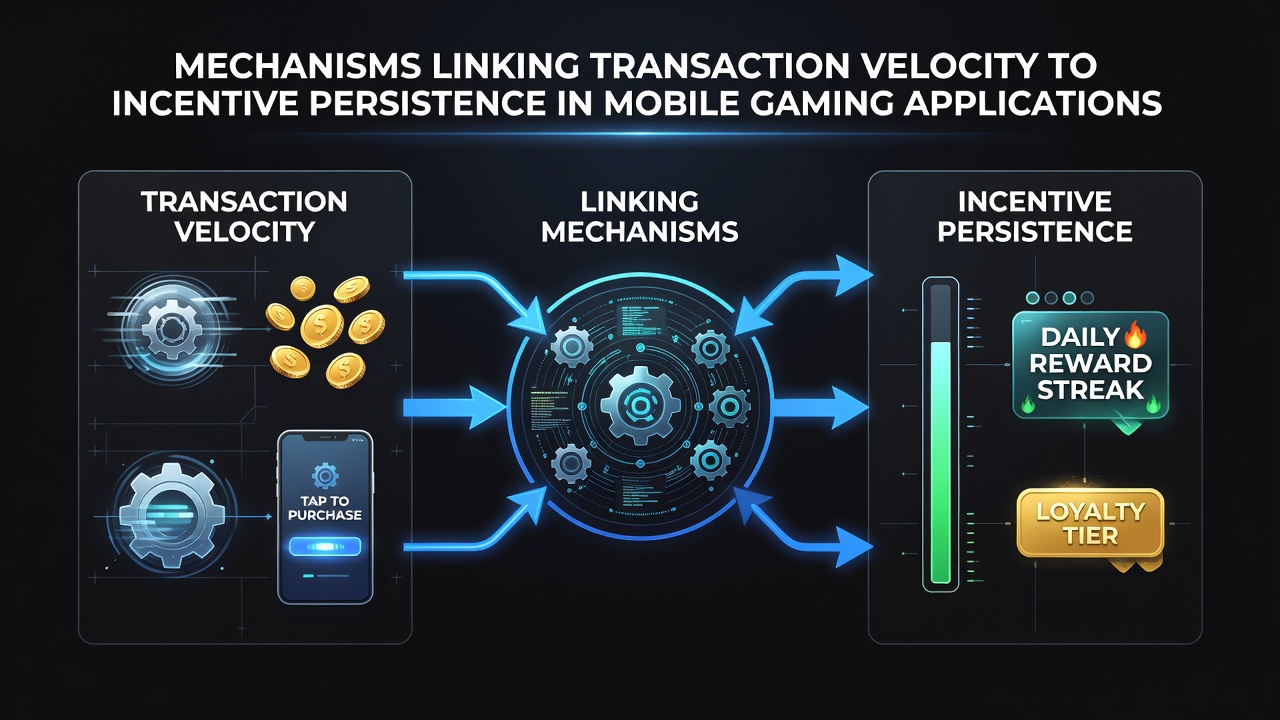
Mechanisms Linking Transaction Velocity to Incentive Persistence in Mobile Gaming Applications
Transaction velocity describes the rate at which funds move through payment systems in mobile gaming applications, while incentive persistence refers to the duration that rewards and bonuses maintain user engagement across multiple sessions. Observers note that these two elements connect through several operational pathways that shape how players interact with in-app economies. Data from industry monitoring groups shows that faster processing times correlate with extended periods of reward utilization in many downloadable titles released or updated through 2026.
Core Definitions and Measurement Approaches
Transaction velocity tracks metrics such as deposit confirmation speed, withdrawal approval intervals, and the time between payment initiation and balance updates within an application. Researchers at institutions studying digital entertainment markets have quantified these intervals using timestamp logs that capture each step from user input to system confirmation. Incentive persistence measures how long a player continues to engage with layered offers like deposit matches, free spin allocations, and progressive reward ladders before those offers expire or lose relevance. Reports compiled in October 2026 by North American analytics firms indicate that average persistence windows range from 48 hours to several weeks depending on the velocity of the underlying payment rail.
Payment Processing Pathways in Mobile Environments
Mobile platforms route transactions through integrated gateways that connect to banking networks, digital wallets, and prepaid card processors. When confirmation occurs within seconds rather than minutes, the application can immediately unlock corresponding incentives without requiring the user to exit the session. Studies conducted across European and Australian markets reveal that applications employing real-time ledger updates experience higher rates of sequential reward claims compared with those that batch transactions overnight. This immediate linkage reduces the gap between funding an account and accessing promotional features, which in turn supports continued play cycles.
Structural Elements Connecting Velocity to Persistence
Several design mechanisms translate rapid transaction handling into sustained incentive use. One pathway involves automated trigger systems that detect incoming funds and apply matching bonuses without additional user steps. Another mechanism centers on session timers that reset or extend whenever a new deposit processes quickly, thereby keeping reward counters active. Data compiled by Canadian regulatory bodies shows that applications with sub-30-second processing averages retain users within incentive structures for an average of 12 additional days per month compared with slower counterparts. These patterns emerge because players encounter fewer interruptions between funding events and reward activation, allowing promotional balances to accumulate and roll over into subsequent sessions.
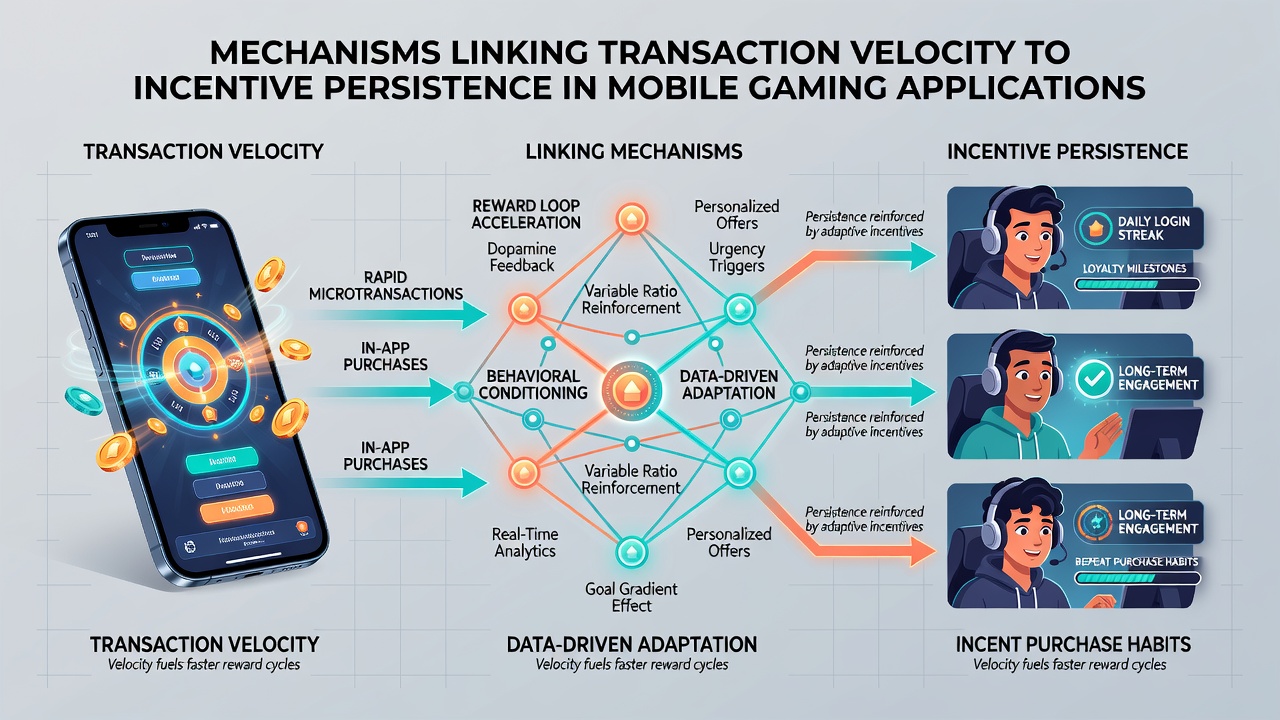
Additional connections appear through notification frameworks that alert users the moment a transaction clears and a new incentive layer becomes available. When velocity remains high, these alerts arrive while the player is still within the application environment, increasing the likelihood that the user will engage the fresh offer before it expires. Academic analyses from university research centers in Asia have documented that push-notification response rates climb when the time between payment and reward display falls below 15 seconds. The resulting loop reinforces incentive persistence because each completed transaction feeds directly into the next available reward tier.
Observed Patterns Across Application Categories
Applications featuring progressive prize pools demonstrate particularly strong linkages between transaction velocity and incentive duration. When deposits clear rapidly, contributions to accumulating jackpots register without delay, which extends the visible growth of those pools and encourages repeated small transactions. Figures released by the Interactive Gaming Council in late 2026 highlight that titles with instantaneous contribution tracking maintain active player cohorts within reward cycles 18 percent longer than titles with delayed updates. Similar dynamics appear in table-game modules where dealer interactions tie to real-time balance refreshes, keeping promotional seat reservations or bonus round entries valid across extended periods.
Regulatory and Platform Influences on These Mechanisms
State licensing requirements in several U.S. jurisdictions mandate specific reporting intervals for transaction logs, which indirectly shapes how quickly applications can surface incentives. Platforms that align internal ledgers with these reporting windows often achieve faster reward deployment while remaining compliant. Observers tracking developments through October 2026 note that operators adopting unified API standards across multiple states record measurable gains in incentive retention metrics. These standards reduce reconciliation delays that previously interrupted the flow from deposit to bonus activation, thereby lengthening the effective lifespan of each promotional layer.
Conclusion
The mechanisms linking transaction velocity to incentive persistence operate through immediate ledger updates, automated reward triggers, notification timing, and regulatory alignment. Evidence gathered from multiple regions demonstrates consistent relationships between processing speed and the length of time players remain within promotional structures. As mobile gaming applications continue to refine payment rails and reward systems, these connections determine how effectively incentives convert initial deposits into ongoing engagement across reel, table, and pool-based formats.