Regulatory Gateways Shaping Multiplier Networks in Regional Smartphone Gaming Ecosystems
Written by Vera Jenkins · Sep 17, 2026

Regulatory Gateways Shaping Multiplier Networks in Regional Smartphone Gaming Ecosystems
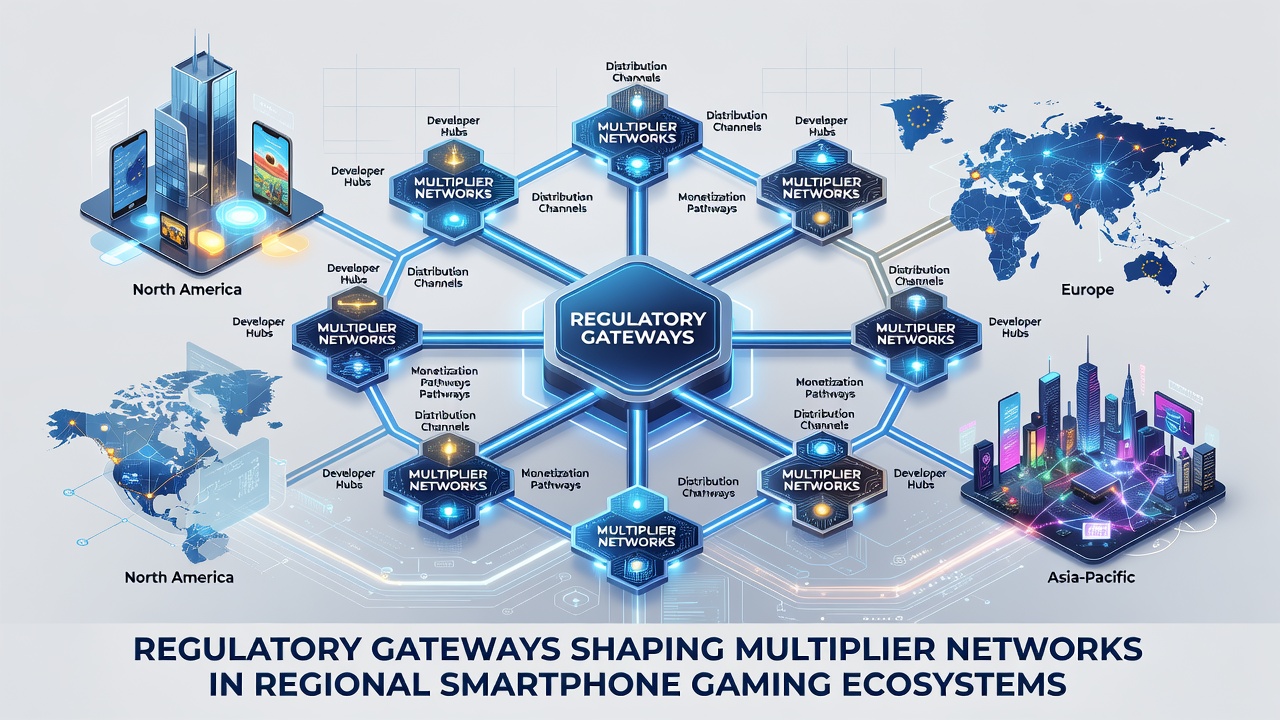
Data from multiple markets shows regulatory frameworks act as gateways that determine how multiplier systems expand within smartphone gaming ecosystems, and developers adjust reward structures accordingly while compliance teams monitor cross-border data flows. Observers note these gateways often emerge from overlapping rules on digital services, consumer protection, and platform access that together shape how in-game multipliers connect users across regional networks.
Mapping Regulatory Entry Points in Mobile Ecosystems
Regional authorities establish entry points through licensing requirements, data localization mandates, and age-verification protocols that directly influence multiplier mechanics in smartphone titles. In the European Union, the Digital Services Act coordinates with national implementations to set thresholds for user-generated content moderation, which affects how multiplier loops reward community participation in games distributed across member states. Canadian provincial frameworks add another layer by requiring clear disclosure of virtual item probabilities, prompting developers to recalibrate multiplier frequencies before launch in those markets.
Asia-Pacific jurisdictions introduce distinct gateways, where Singapore's Infocomm Media Development Authority enforces transparency standards that extend to algorithmic reward systems, and Australian regulators apply similar scrutiny through the eSafety Commissioner guidelines updated in early 2026. These rules compel studios to document how multipliers scale with user engagement metrics, creating traceable pathways that connect individual play sessions into larger network effects.
Multiplier Network Dynamics Under Regional Constraints
Once regulatory gateways open, multiplier networks form through interconnected reward pools that draw from regional user bases while respecting jurisdictional boundaries. Research indicates that games incorporating cross-region leaderboards must segment multiplier calculations to avoid conflicts with local currency or data export rules, resulting in parallel but distinct network layers for each major market. Studies from university research groups tracking 2025-2026 deployments reveal that developers who embed modular multiplier engines achieve faster regional rollouts because adjustments can target specific gateway requirements without rewriting core code.
September 2026 marks the scheduled implementation of updated interoperability standards in several Latin American markets, where new guidelines require explicit separation between promotional multipliers and core gameplay progression. Those preparing for these changes have already begun testing segmented network architectures that isolate multiplier data within each country's servers, reducing latency while satisfying localization mandates. Industry reports highlight similar patterns in African mobile markets, where bandwidth constraints combine with emerging digital economy laws to favor lighter multiplier designs that still scale across community clusters.
Case Patterns from Diverse Jurisdictions
One deployment in Japan demonstrates how platform guidelines from the Consumer Affairs Agency interact with app store policies to shape multiplier visibility, leading developers to surface probability disclosures directly within the game interface before any network scaling occurs. Another example from Brazil shows how tax reporting obligations on virtual economies prompted studios to log multiplier transactions at the individual user level, creating audit trails that feed back into network optimization algorithms. These patterns repeat across markets because regulatory gateways consistently require measurable, reportable outcomes from multiplier systems.
Academic analyses of 2025 data sets confirm that ecosystems with clearer gateway definitions experience higher retention in multiplier-driven features, since users encounter consistent reward mechanics tailored to local standards. External observers tracking these trends point to coordinated efforts by the OECD on digital platform governance as a unifying reference that multiple regions reference when refining their own rules.
Future Trajectories for Network Scaling
Evidence suggests ongoing harmonization efforts among regulatory bodies will continue to influence how multiplier networks evolve, particularly as smartphone penetration deepens in emerging regions. Platforms that maintain flexible multiplier engines positioned behind configurable gateway filters stand better positioned to accommodate new requirements without disrupting existing user connections. Data indicates these adaptations preserve network integrity while allowing regional customization that aligns with each jurisdiction's priorities around transparency and consumer safeguards.
Conclusion
Regulatory gateways function as structural determinants that guide the formation and expansion of multiplier networks throughout regional smartphone gaming ecosystems, and documented cases from 2026 illustrate consistent adaptation patterns across continents. Continued monitoring of policy updates remains essential for developers seeking to maintain compliant, scalable systems that respect both local mandates and global network dynamics.