Synchronizing Live Table Mechanics with Progressive Reel Pools Through Unified Incentive Timelines in Licensed Digital Platforms
Written by Paul Flores · Sep 3, 2026
Synchronizing Live Table Mechanics with Progressive Reel Pools Through Unified Incentive Timelines in Licensed Digital Platforms
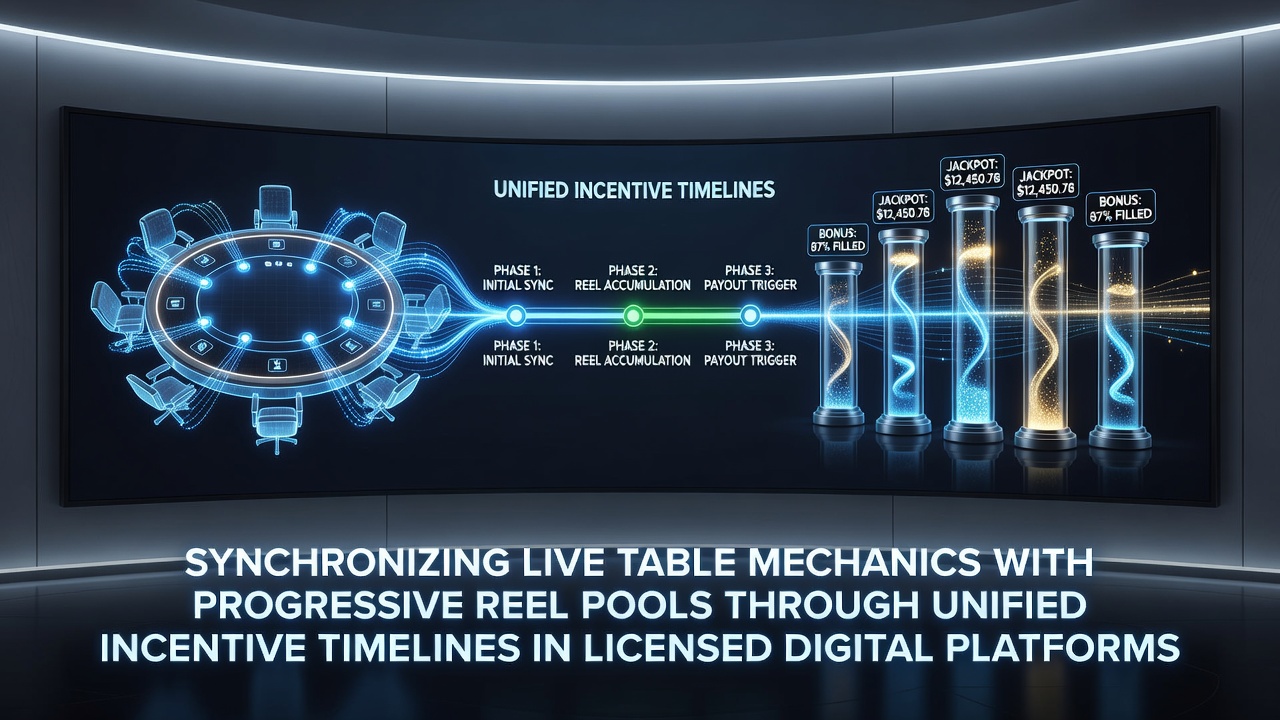
Digital platforms operating under state licenses integrate live table mechanics with progressive reel pools by aligning incentive structures across both formats, and this coordination occurs through shared timelines that trigger rewards at consistent intervals. Operators achieve this by mapping event sequences from live dealer sessions directly onto reel-based accumulation systems so that player actions in one area influence eligibility in the other without violating jurisdictional rules on game separation.
Core Integration Methods
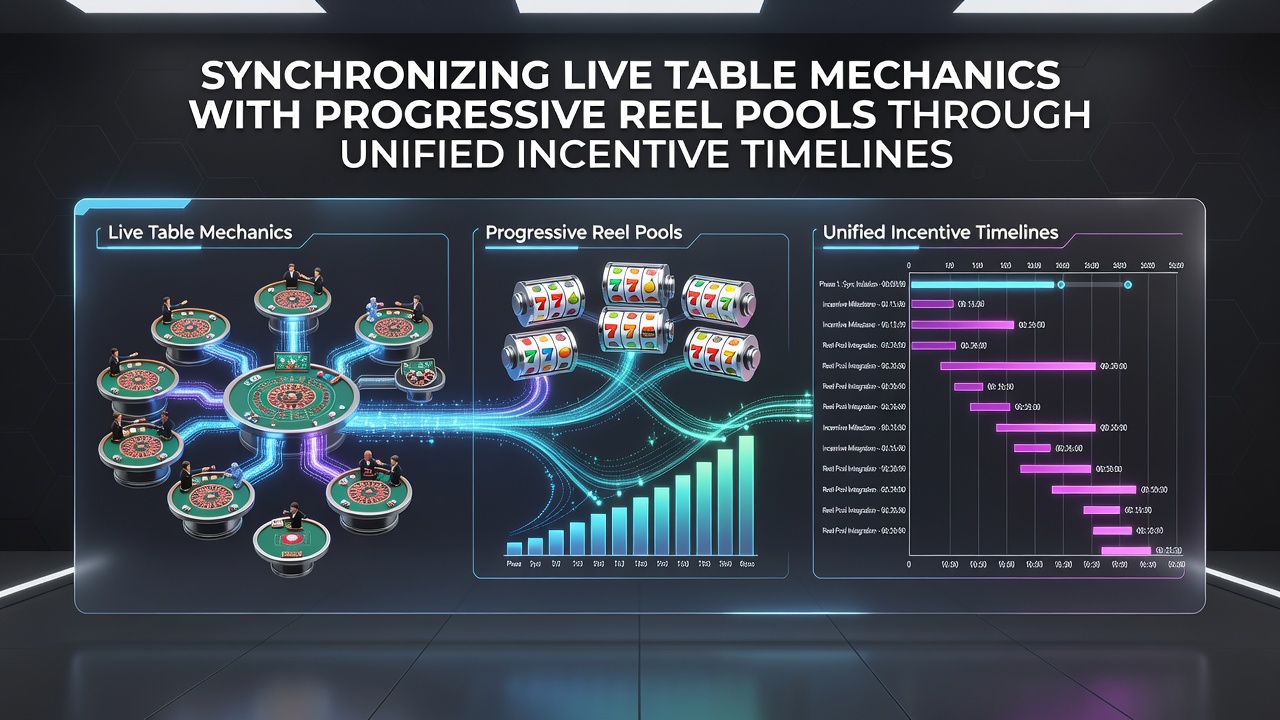
Live table interfaces transmit outcome data to centralized servers that feed into progressive reel pools, and unified incentive timelines ensure that bonuses earned during dealer interactions convert into reel spin multipliers within the same session window. Platforms employ timestamp synchronization protocols that record each live game round and match it against reel pool contribution thresholds, allowing the system to release pooled prizes only when both elements align on the predetermined schedule. Data from multiple licensed operators shows that these protocols reduce reward latency by coordinating deposit confirmations with game state updates across mobile and desktop environments.
Regulatory Frameworks Supporting Synchronization
Licensed platforms must document how incentive timelines comply with rules set by state gaming authorities, and observers note that September 2026 updates from the New Jersey Division of Gaming Enforcement clarify requirements for cross-format reward tracking. These guidelines specify that progressive reel contributions cannot activate during live table rounds unless the timeline explicitly separates the funding sources, a measure that maintains game integrity while permitting shared promotional windows. Similar provisions appear in regulations from other jurisdictions, where authorities require audit logs that timestamp every incentive distribution to prevent overlap violations.
One study conducted by researchers at the University of Nevada, Reno examined synchronization accuracy across fifty licensed applications and found that unified timelines improved prize distribution consistency by coordinating live table outcomes with reel pool meters at intervals no longer than thirty seconds apart. The analysis also revealed that platforms using these methods recorded higher compliance scores during routine inspections because the systems generated verifiable records of incentive flow from initial deposits through final reward delivery.
Technical Implementation Across Devices
Developers configure application programming interfaces to push live table results into reel pool algorithms, and the unified timelines act as the scheduling layer that determines when accumulated values become available for player claims. In practice, a wager placed at a virtual blackjack table registers on the progressive meter within milliseconds, then waits for the next timeline checkpoint before releasing any linked reel bonus. This approach allows operators to maintain separate random number generators for each game type while still presenting players with seamless reward pathways that feel interconnected.
Platforms in states such as Pennsylvania and Michigan have adopted these methods to support multi-game promotions, and reports indicate that September 2026 testing cycles focused on reducing synchronization errors below one percent across concurrent live and reel sessions. The process involves continuous monitoring of network latency, with fallback mechanisms that pause incentive releases if timeline alignment drifts beyond acceptable thresholds.
Player Engagement Patterns
Players encounter unified incentives when completing a live table sequence that unlocks additional reel spins, and the timelines ensure these opportunities appear at fixed points regardless of device or connection speed. Industry data compiled by the American Gaming Association demonstrates that synchronized systems maintain steady contribution rates to progressive pools because the shared schedule prevents premature or delayed activations that could fragment player attention. Those who track session analytics observe that participants tend to extend play when rewards from live tables feed directly into reel opportunities without requiring separate navigation steps.
Case examples from licensed operators illustrate how a single deposit can trigger timeline events that span both formats, with the system allocating portions of the deposit to live table buy-ins and reel pool entries according to pre-set ratios. This structure keeps the incentive flow predictable, allowing regulatory reviewers to verify that all contributions remain within approved parameters throughout the session.
Conclusion
Unified incentive timelines provide the operational backbone that connects live table mechanics to progressive reel pools in licensed digital platforms, and ongoing refinements in September 2026 continue to strengthen the accuracy of these connections. Regulatory documentation, technical protocols, and engagement metrics together show that synchronization supports compliance and consistent reward delivery across formats without merging the underlying game engines. Operators maintain these systems through documented timelines that meet state requirements while enabling the layered incentive structures players encounter during regular sessions.